
Typhoon Watch: Digitizing Disaster Response in the Philippines

Building a Unified Platform for Zero Casualty During Calamities
The Philippines faces an average of 20 tropical cyclones each year, along with floods, lahars, and other natural hazards that put millions of lives at risk. In the race against time during disasters, every minute counts—and outdated manual processes can mean the difference between safety and tragedy.
Enter Typhoon Watch, a groundbreaking software platform designed to transform how provincial disaster response teams monitor threats, issue advisories, and coordinate evacuations across the archipelago.
From Paper to Platform
Traditionally, disaster response in Philippine provinces has relied on manual reporting, phone calls, and paper-based coordination between Provincial Disaster Risk Reduction and Management Offices (PDRRMOs), municipal offices, and barangays. This fragmented approach often leads to delays in critical decision-making and gaps in real-time information flow.
Typhoon Watch digitizes the complete disaster response workflow, enabling real-time hazard monitoring for tropical cyclones, floods, lahars, and other natural disasters. PDRRMOs can issue advisories that route directly to governors for digital approval, while barangays and municipalities report evacuation updates through the platform. All stakeholders stay synchronized with current, actionable information.
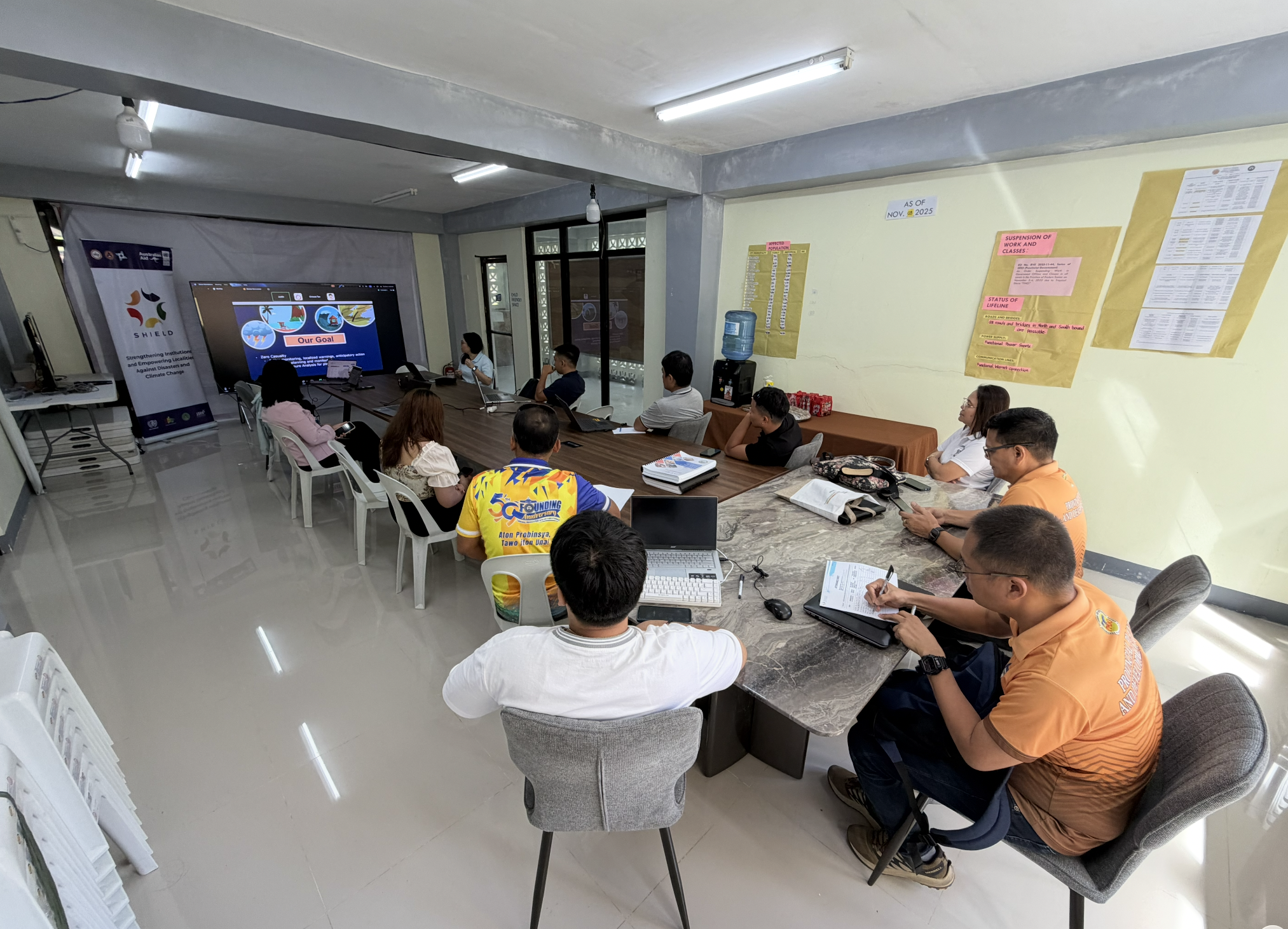
The goal is clear: zero casualty during calamities.
A Powerful Partnership
This UNDP-led initiative brings together international development expertise with local innovation. Under the technical guidance of Dr. Cedric Daep from Albay—a province intimately familiar with disaster risks from Mayon Volcano and frequent typhoons—the project has partnered with Fourello, a Manila-based software development company, and Orangebd, a software development company based in Bangladesh, to build a solution tailored to Philippine conditions and needs.
Rolling Out Across the Philippines
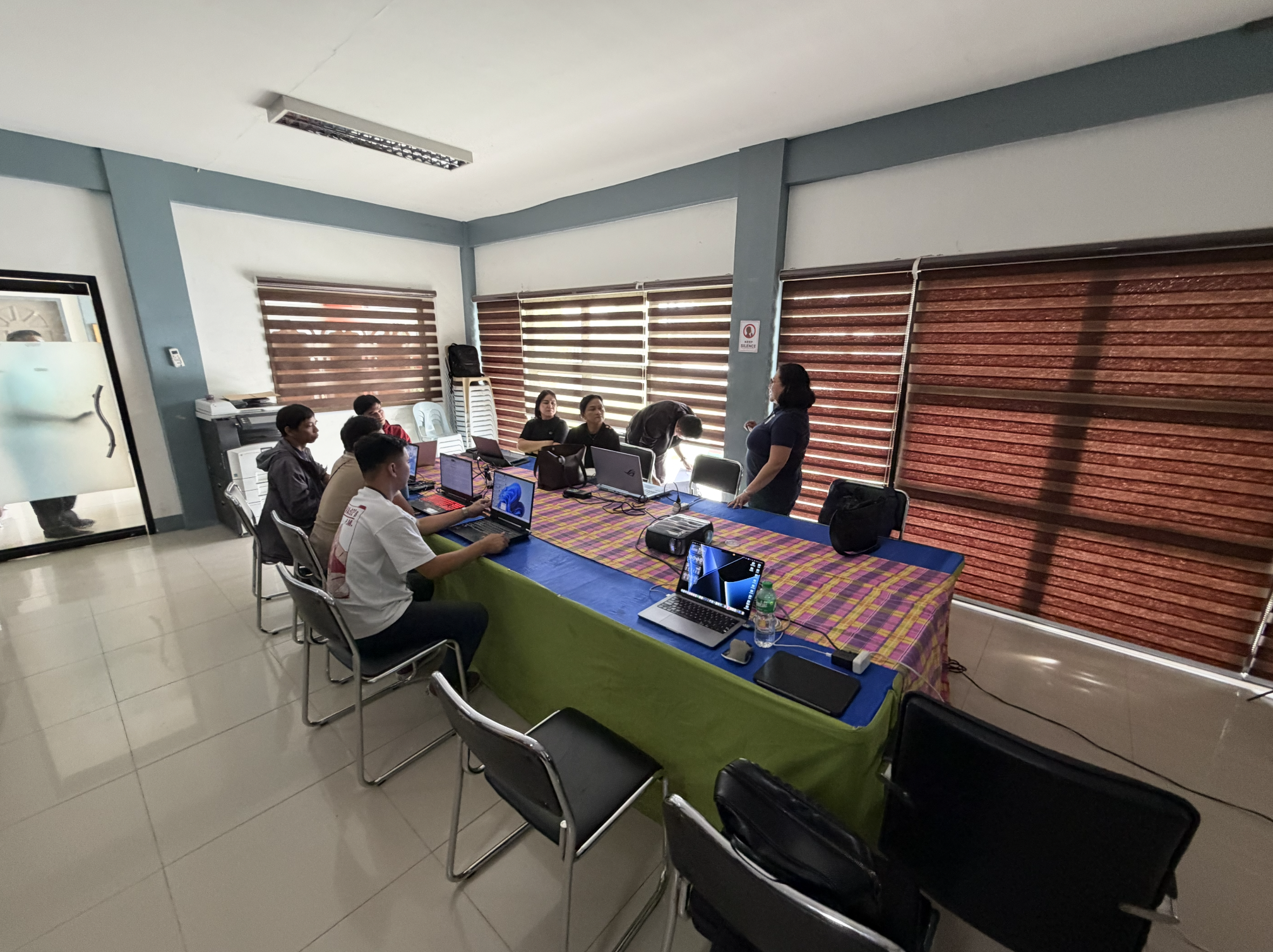
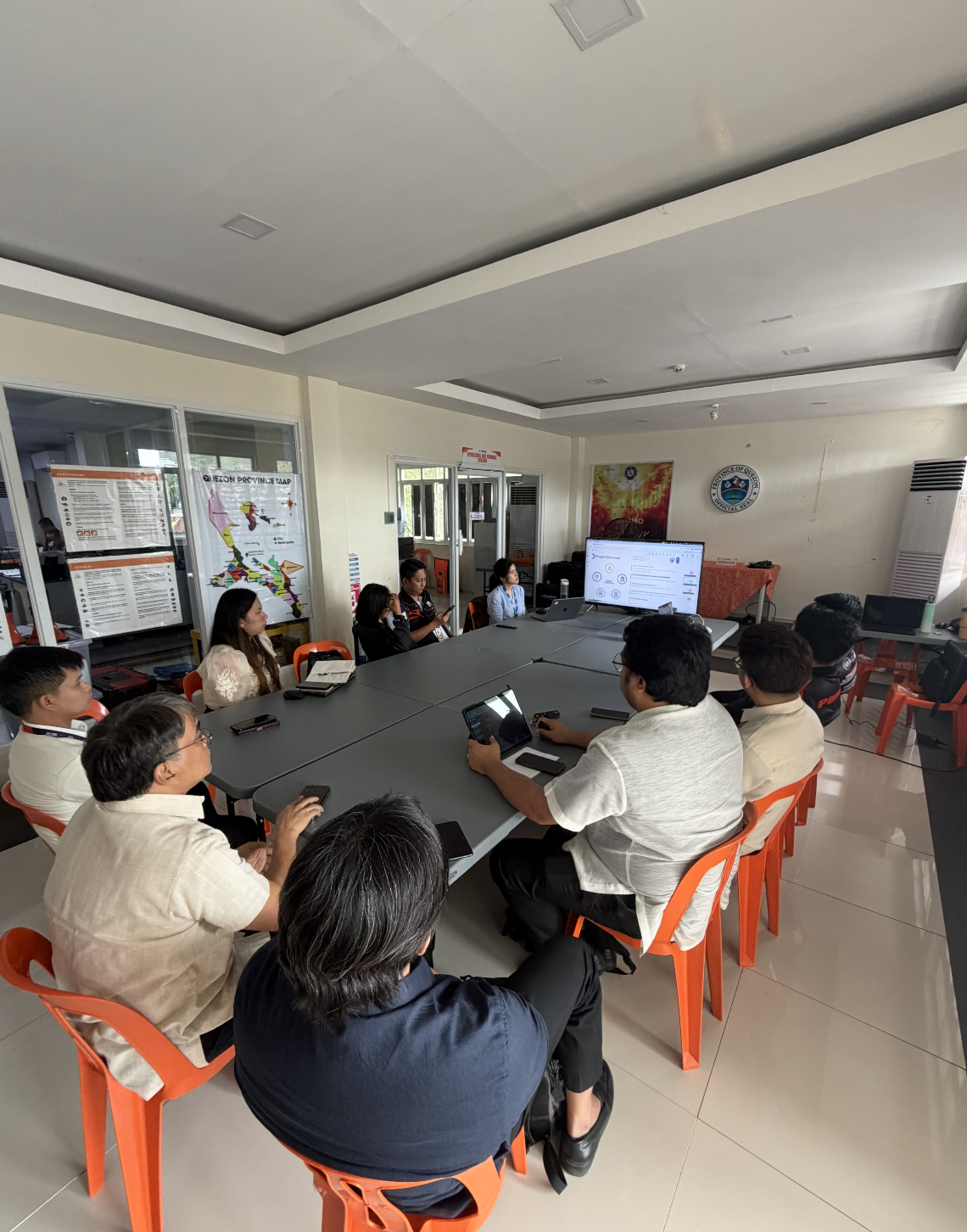
The team has conducted software rollout training and data gathering session visits to four provinces: Albay, Quezon, Agusan del Norte, and Eastern Samar. More provinces to be added early next year.
How It Works
Typhoon Watch creates a seamless digital pipeline: the system continuously tracks multiple hazard types, PDRMMO personnel quickly generate advisories that automatically route to the Governor's office for approval, and once approved, advisories instantly reach municipal and barangay officials who can report evacuation status directly through the platform. Role-based dashboards ensure everyone operates from the same situational picture.
Go-Live in Early 2026
With development nearing completion and successful validation across four provinces, Typhoon Watch is on track for its official launch in early 2026. This marks more than just a software deployment—it's a commitment to protecting Filipino lives through technology, collaboration, and relentless focus on preparedness.
As climate change intensifies weather patterns and disaster risks continue to evolve, platforms like Typhoon Watch represent the future of resilient communities. When the next typhoon threatens the Philippines, responders will have a powerful new tool to help them achieve the ultimate goal—bringing everyone home safely.
Typhoon Watch is a UNDP-led initiative developed in partnership with provincial disaster management offices across the Philippines.